Choosing the right partner for embedded engineering services can make or break your product. A skilled and reliable partner helps you design faster, build better, and launch with confidence. But the wrong one? It can lead to delays, high costs, and product failure.
In this article, we’ll explain what to look for in an embedded engineering service provider. We’ll also highlight the key things to keep in mind when making your decision.
What Are Embedded Engineering Services?
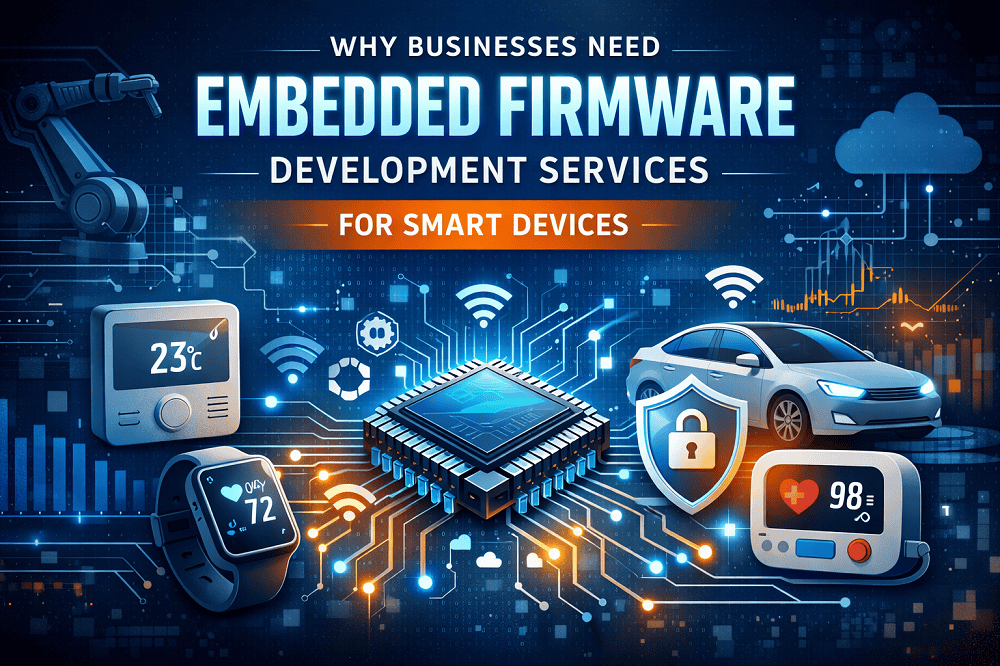
Embedded engineering services involve building software and hardware that work inside a product. These systems perform specific functions and help products work smarter.
Examples include:
- Microcontroller programming
- Firmware development
- PCB design
- Embedded software integration
- Testing and debugging
These services are used in cars, robots, smart devices, industrial tools, and more.
Why the Right Partner Matters
Working with the right team saves time and money. It also reduces stress. You can focus on your main business while experts handle the technical parts.
Good partners:
- Understand your product goals
- Communicate clearly
- Deliver high-quality work on time
- Offer support beyond just coding
Let’s explore how to find a partner like that.
1. Define Your Project Requirements
Before you start searching, know what you need. Write down your project scope, timeline, and goals.
Ask yourself:
- What is the purpose of the product?
- What kind of hardware and software do I need?
- Do I need a prototype or a full product?
- What’s my budget?
When you’re clear on your needs, it becomes easier to explain them to a service provider.
2. Look for Industry Experience
Choose a partner who has worked on similar projects. Experience in your industry means they understand the standards, risks, and best practices.
For example:
- A partner who has worked with medical devices will know about FDA compliance.
- One who’s built IoT products will be aware of wireless protocols and battery limitations.
Ask for case studies or project portfolios.
3. Evaluate Technical Skills
Embedded engineering involves both hardware and software skills. Your partner should be able to handle:
- Firmware programming
- PCB design and layout
- Real-time operating systems (RTOS)
- Communication protocols (I2C, SPI, UART, etc.)
- Testing tools and debugging
You don’t need to be a tech expert, but it helps to ask technical questions or involve someone who is.
4. Assess Communication and Support
Good communication is key. Make sure the partner is easy to talk to, understands your needs, and responds quickly.
Look for:
- Clear project updates
- Regular meetings
- Fast replies to emails or calls
- A dedicated point of contact
Also, ask about post-project support. Will they fix bugs? Help with updates? Offer maintenance services?
5. Check Development Process
A professional team follows a structured development process. This may include planning, design, development, testing, and delivery.
Ask questions like:
- Do they use Agile or other methods?
- How do they manage deadlines?
- How do they test the product?
- Do they involve the client at every step?
A clear process means fewer surprises and better results.
6. Consider Quality Assurance
Quality matters in embedded systems. A small bug can cause big issues.
Check if the partner:
- Uses automated and manual testing
- Follows safety and compliance standards
- Conducts code reviews
- Offers documentation
You should receive a clean, well-tested product with all files, source code, and instructions.
7. Review Client Feedback
See what others say. Read reviews, testimonials, or case studies. Ask the company for references.
You can ask past clients:
- Were they happy with the results?
- Was the team easy to work with?
- Did the project finish on time and budget?
- How did they handle issues?
This gives you insight into the partner’s real-world performance.
8. Analyze Cost vs Value
Price is important, but cheapest isn’t always best. A low-cost team may lack quality, experience, or long-term support.
Instead, think about:
- What value are you getting?
- Will this team save you time?
- Can they help avoid future problems?
Paying a little more now may save you a lot later.
9. Look for Flexibility and Scalability
A good partner grows with you. They should be able to handle small tasks or full product development.
Ask:
- Can you start with a small pilot project?
- Can they scale the team if needed?
- Do they work on both short-term and long-term projects?
This helps you stay flexible as your needs evolve.
10. Protect Your Intellectual Property (IP)
Your ideas and code are valuable. Choose a partner who respects your IP rights and signs proper contracts.
Look for:
- NDAs (Non-Disclosure Agreements)
- Clear ownership of code and designs
- Secure data handling
This protects your product and business in the long run.
Conclusion
Choosing the right partner for embedded engineering services is a big decision. It affects your product’s quality, time to market, and customer experience.
By focusing on experience, communication, quality, and value, you can find a partner who supports your goals and brings your ideas to life.
Start small, test the relationship, and build trust. With the right team, your product will be smarter, faster, and ready for success.